First, decide what “matching” means
A pair is only a pair under a particular rule. In this grid, the rule is identical fruit names. Mango matches Mango, even if you notice a neighbouring tile with a similar background. The shape beside each name is an extra identifying cue, not a second rule. Both tiles remain visible, so you can compare them directly before committing.
This distinction matters because many familiar games use different definitions. A match-three game might ask for three adjacent pieces, while a card game might ask for equal ranks. Neither convention applies automatically here. Read the stated rule first, then treat everything else as decoration until told otherwise.
Use a scan you can repeat
Begin in the top-left corner and move across the row. Choose the first unmatched fruit, then look for its partner in the same reading order. Once that pair is settled, return to the first remaining tile. This simple routine prevents your eyes from bouncing around the bowl without keeping track of what you have already checked.
There is no need to be fast. A systematic scan can feel slower than tapping the first familiar colour, but it reduces unnecessary comparisons. When a pair is completed, the tiles remain visible and are marked as matched. Treat those settled tiles as finished work rather than checking them again.
Separate a clue from a distraction
Our playable tiles combine words and shapes so that colour is never the only way to identify a fruit. A mango has its written name and a circle symbol. You can read the labels, compare symbols, or use both. If your screen is dim or you perceive colours differently, the intended answer remains the same.
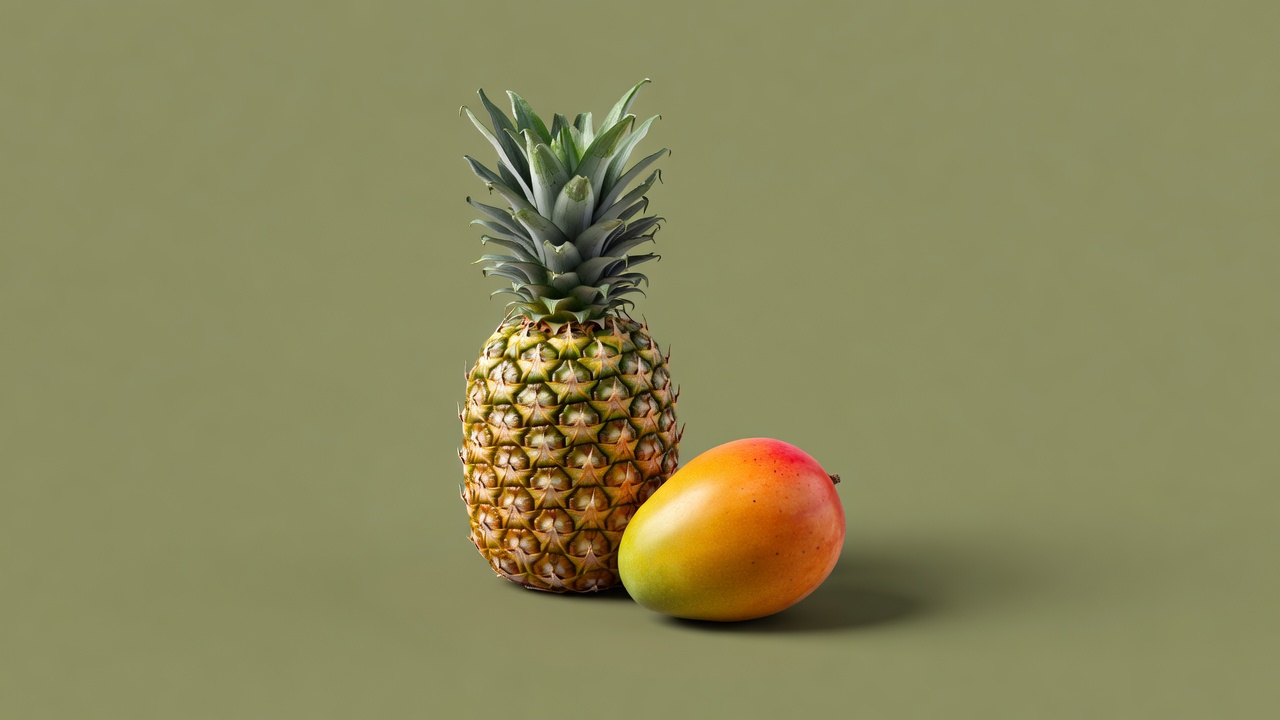
Decorative fruit pictures elsewhere on the site do not add hidden game rules. A sliced papaya in an illustration is not a special bonus piece. Keeping the visual atmosphere separate from the instructions makes the activity easier to understand and gives you a fair basis for each decision.
Try the select, compare, confirm routine
Give each move three small stages. Select a candidate. Compare the full label with another tile. Confirm only when the names agree. If you choose different fruits, the game leaves both available and explains the mismatch. No pieces disappear, and there is no penalty clock waiting in the background.
You can also cancel a first selection by activating the same tile again. That is useful when you notice a better starting point. On a keyboard, use Tab to move among the controls and Enter or Space to activate a tile. A visible focus outline shows which control will respond.
Make an offline version with an extra rule
Write four fruit names twice on eight slips of paper and lay them face up. First pair identical names. Next, keep the same slips but ask someone to sort the fruits into categories they can explain. A category such as “fruit names containing the letter p” is explicit; “fruits that feel tropical” is more open to interpretation.
The difference is worth discussing. Some puzzles have a single intended rule and a checkable answer. Others invite several defensible groupings. A good explanation names the property being tested and shows that every included item meets it. Do not quietly change the property halfway through the bowl.
What to try after the last pair
Shuffle the grid if you want another scanning round. The fruit set stays the same, while the locations change. Alternatively, switch to the memory plate, where the cards begin face down and location becomes part of the challenge. That is a different task, not simply a harder version of looking at visible labels.
These activities are casual entertainment and practice with particular puzzle rules. We do not claim that completing them diagnoses, measures or improves general intelligence. The useful immediate goal is smaller: understand this rule, make a deliberate choice and explain why the pair fits.